
January 29, 2012
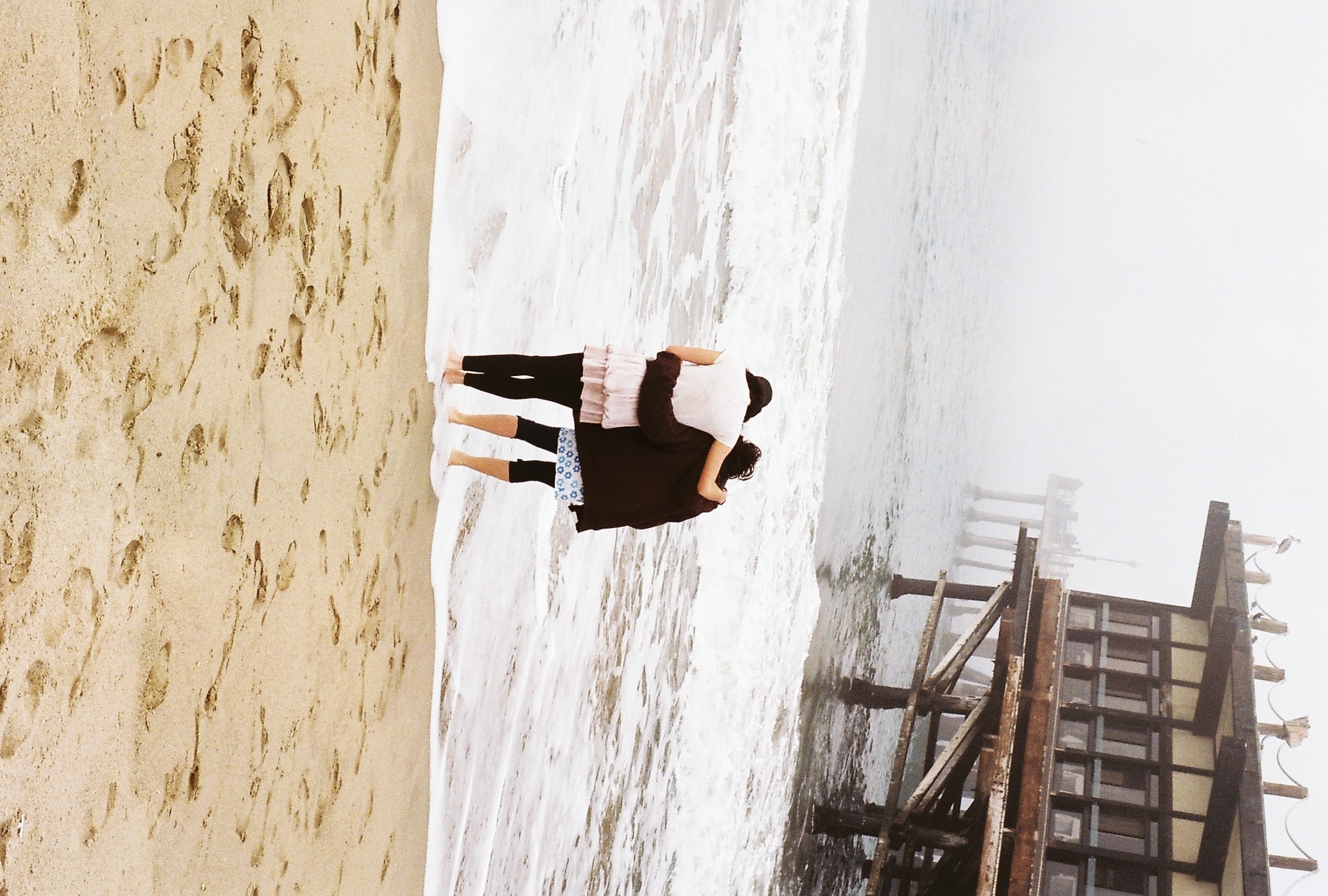
I hope you are having a good Sunday, relaxing and spending time with loved ones. This picture is what life is all about: Love in motion!
-EVA SANTIAGO copyright 2012
January 29, 2012
I hope you are having a good Sunday, relaxing and spending time with loved ones. This picture is what life is all about: Love in motion!
-EVA SANTIAGO copyright 2012
January 24, 2012
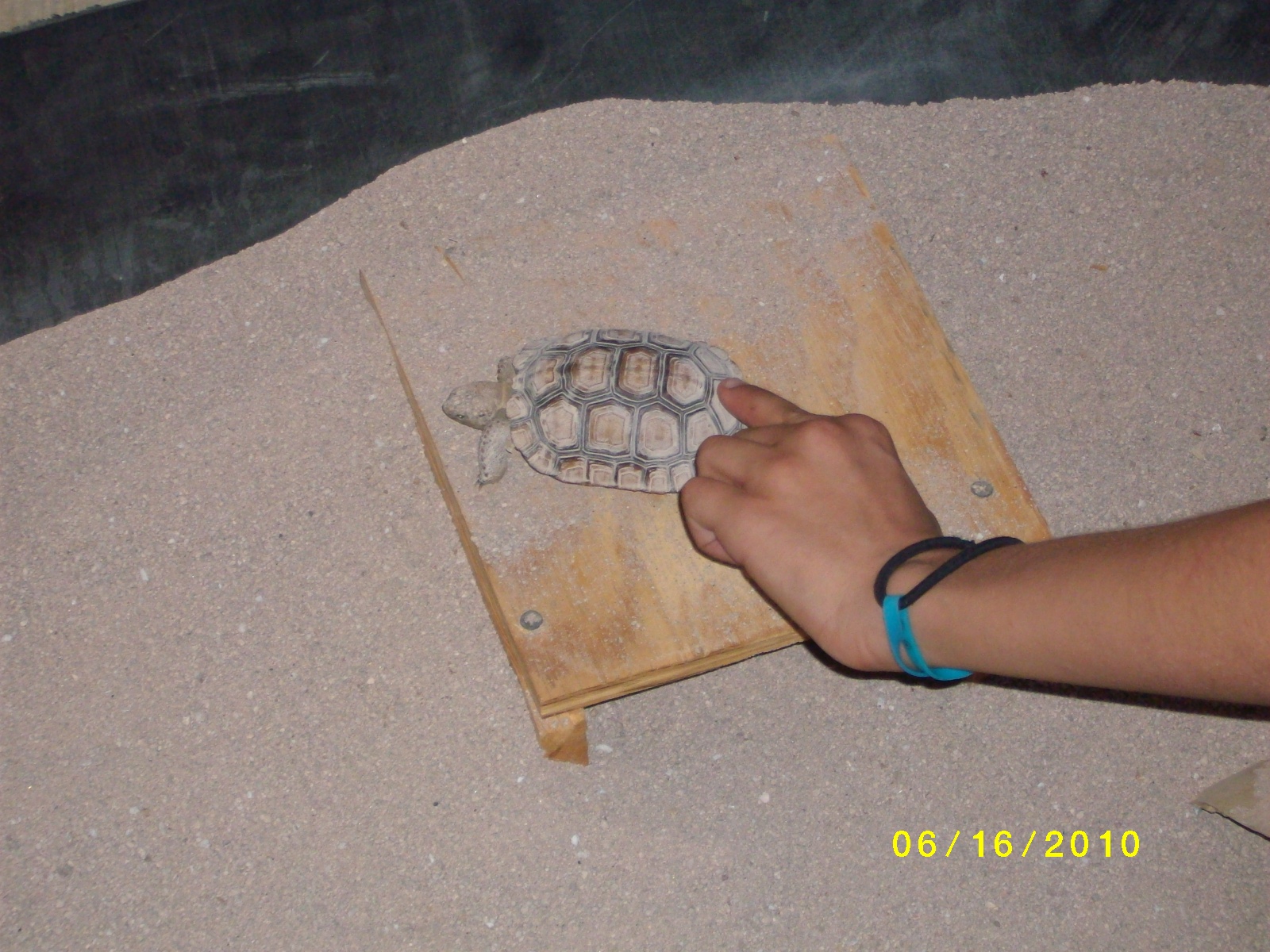
I was looking through some pics for today’s post and I chose this one because it made me realize how many pets we have adopted through the years. Our first family pet was a Jack Russel Terrier who just happened to come into our lives at the worst time. All of my kids were under 10 years old with my youngest just having turned 2 that year. I felt like Bosco was another child I had to look after and I was already spread out past thin. It broke my heart to have to give him away to a neighbor but it was what was best for him as well. After that, we didn’t have any pets because I thought it best to wait until the kids were older and handle taking care of a pet. Then entered our rabbit phase. After the 6th rabbit died we decided to take another break from owning a pet.
This Desert Tortoise was a gift from our neighbors to my son. That boy adores turtles. I think that Snap, as he named him, was THE gift of his 12th birthday. But unfortunately Snap didn’t last long because someone stole him not too long after. So here is to you Snap, wherever you are, Jojo still misses you. 🙂
-EVA SANTIAGO copyright 2012
January 11,2012
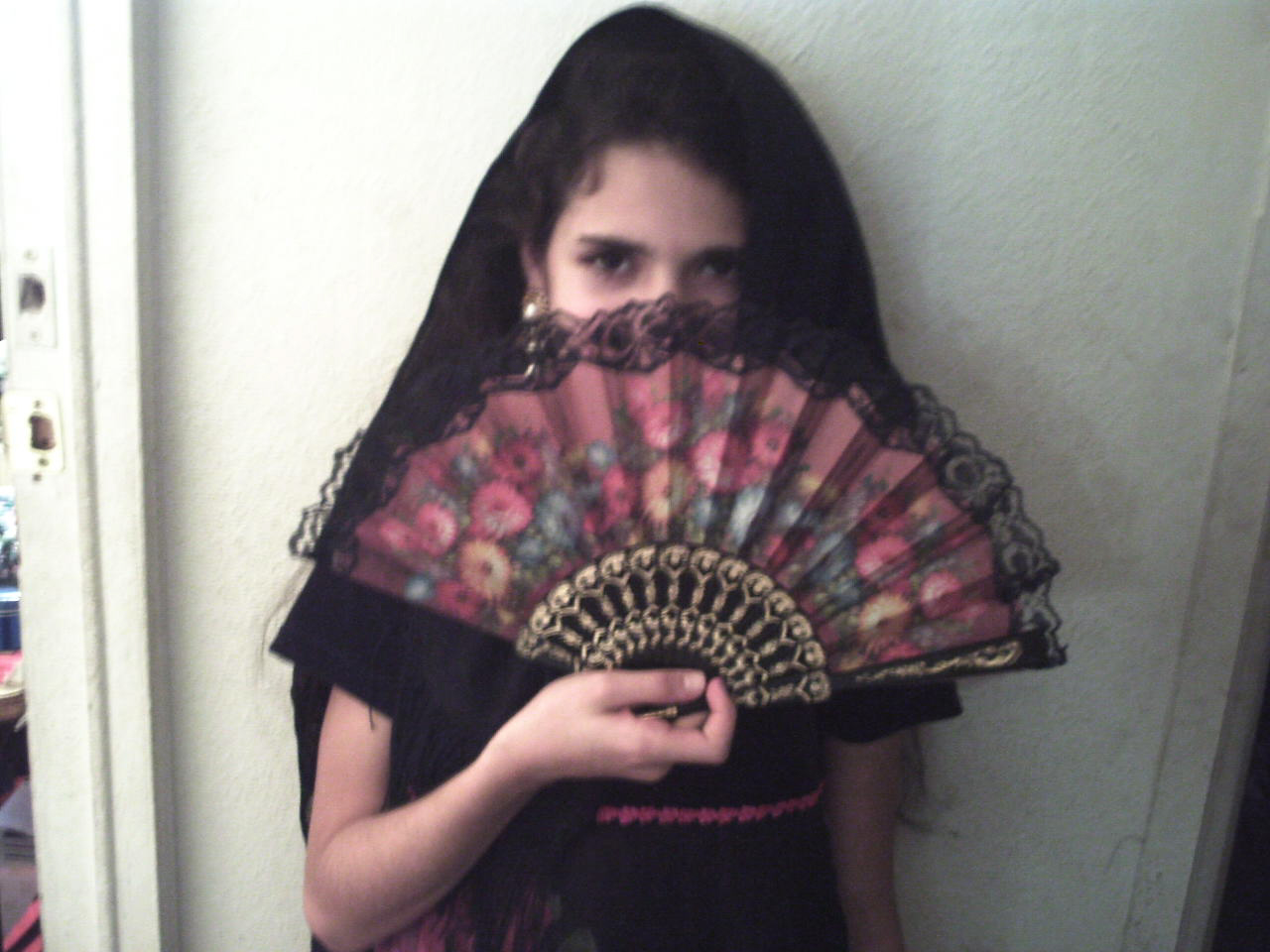
The girl with the fan,
she roams in my heart.
With fan in hand,
she’s a work of art.
The girl with the fan,
she wants to help the world,
one soul at a time,
she’s going to change her world.
EVA SANTIAGO copyright 2012
January 5,2012
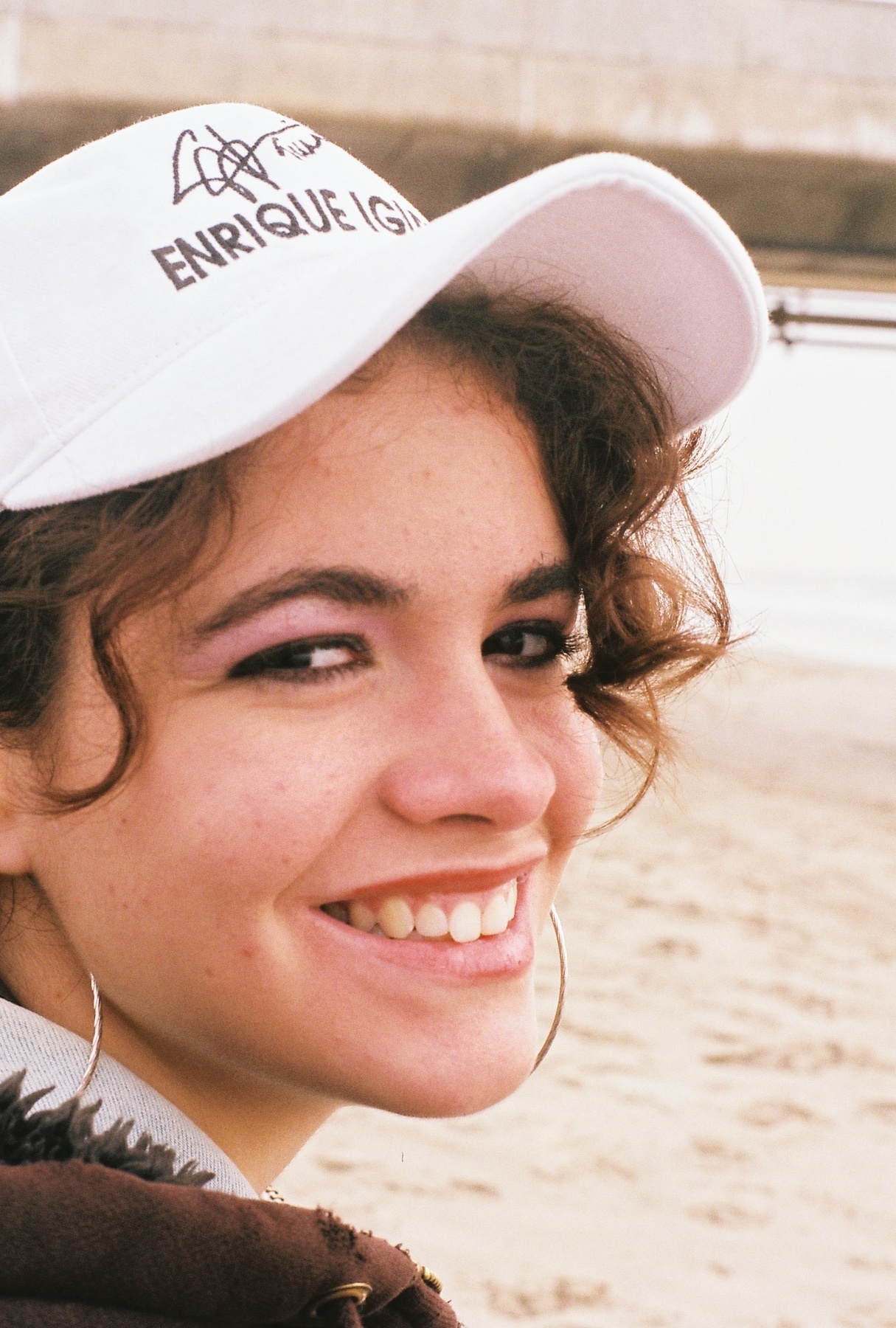
The girl with a million dollar smile,
will make your life worth while.
She is bright,
like the first day of spring.
In her hair-strands of spun gold.
Her presence warms you up.
With her in your life, you never feel old.
The girl with the million dollar smile…
…I’m so glad to know her!
-Eva Santiago copyright 2012
I saw this article today and I had to share it on my blog . When my 17-year-old daughter was born, I received some of the wackiest advice from some well-meaning people. I had to ignore most of it though and go with my gut instinct. I even had my uncle who is a doctor, give me a wall clock so that I could put my new-born on a nursing schedule right away. Because he said, “You let that baby know who is in charge right away or she’ll ruin your life.” WOW! How could my baby, my flesh and blood ruin my life? 
So I defied all the advice that came from others and I listened to my instinct. This article about letting babies cry themselves into calm is fantastic. Back then I was 24 when I first had her. People would tell me to just let her cry and I’d think, ‘ Ok, adults can self soothe but a baby can’t because they NEED someone there to help them LEARN to calm themselves.’ It was THAT apparent to me. So I asked my husband one day if he thought it right to let a baby cry and cry until they “get over it”. His response was simple,” When you’re upset and you come to me and ask me to comfort you, what would happen if I ignored you or told you to get over it? You’d be more upset right?” Bingo! So I never listened to anyone’s comments, I followed my instinct and soon I realized moms and dads DO know best when it comes to their kids!
Letting babies “cry it out” is an idea that has been around since at least the 1880s when the field of medicine was in a hullaballoo about germs and transmitting infection and so took to the notion that babies should rarely be touched (see Blum, 2002, for a great review of this time period and attitudes towards childrearing).
In the 20th century, behaviorist John Watson, interested in making psychology a hard science, took up the crusade against affection as president of the American Psychological Association. He applied the mechanistic paradigm of behaviorism to child rearing, warning about the dangers of too much mother love. The 20th century was the time when “men of science” were assumed to know better than mothers, grandmothers and families about how to raise a child. Too much kindness to a baby would result in a whiney, dependent, failed human being. Funny how “the experts” got away with this with no evidence to back it up! Instead there is evidence all around (then and now) showing the opposite to be true.
Don’t these attitudes sound familiar? A parent reported to me recently that he was encouraged to let his baby cry herself to sleep so he “could get his life back.”
With neuroscience, we can confirm what our ancestors took for granted—that letting babies cry is a practice that damages children and their relational capacities in many ways for the long term. We know now that letting babies cry is a good way to make a less intelligent, less healthy but more anxious, uncooperative and alienated person who can pass the same or worse traits on to the next generation.
The discredited behaviorist view sees the baby as an interloper into the life of the parents, an intrusion who must be controlled by various means so the adults can live their lives without too much bother. Perhaps we can excuse this attitude and ignorance because at the time, extended families were being broken up and new parents had to figure out how to deal with babies on their own, an unnatural condition for humanity–we have heretofore raised children in extended families. The parents always shared care with multiple adult relatives.
According to a behaviorist view completely ignorant of human development, the child ‘has to be taught to be independent.’ We can confirm now that forcing “independence” on a baby leads to greater dependence. Instead, giving babies what they need leads to greater independence later. In anthropological reports of small-band hunter-gatherers, parents took care of every need of babies and young children. Toddlers felt confident enough (and so did their parents) to walk into the bush on their own (see Hunter-Gatherer Childhoods, edited by Hewlett & Lamb, 2005).
Ignorant behaviorists then and now encourage parents to condition the baby to expect needs NOT to be met on demand, whether feeding or comforting. It’s assumed that the adults should ‘be in charge’ of the relationship. Certainly this might foster a child that doesn’t ask for as much help and attention (withdrawing into depression and going into stasis or even wasting away) but it is more likely to foster a whiney, unhappy, aggressive and/or demanding child, one who has learned that one must scream to get needs met. A deep sense of insecurity is likely to stay with them the rest of life.
The fact is that caregivers who habitually respond to the needs of the baby before the baby gets distressed, preventing crying, are more likely to have children who are independent than the opposite (Stein & Newcomb, 1994). Soothing care is best from the outset. Once patterns get established, it’s much harder to change them.
We should understand the mother and child as a mutually responsive dyad. They are a symbiotic unit that make each other healthier and happier in mutual responsiveness. This expands to other caregivers too.
One strangely popular notion still around today is to let babies ‘cry it out’ when they are left alone, isolated in cribs or other devices. This comes from a misunderstanding of child and brain development.
What does ‘crying it out’ actually do to the baby and to the dyad?
Neurons die. When the baby is stressed, the toxic hormone cortisol is released. It’s a neuron killer. A full-term baby (40-42 weeks), with only 25% of its brain developed, is undergoing rapid brain growth. The brain grows on average three times as large by the end of the first year (and head size growth in the first year is a sign of intelligence, Gale et al., 2006). Who knows what neurons are not being connected or being wiped out during times of extreme stress? What deficits might show up years later from such regular distressful experience?
Disordered stress reactivity can be established as a pattern for life not only in the brain with the stress response system, but also in the body through the vagus nerve, a nerve that affects functioning in multiple systems (e.g., digestion). For example, prolonged distress in early life, resulting in a poorly functioning vagus nerve, is related disorders as irritable bowel syndrome (Stam et al, 1997). See more about how early stress is toxic for lifelong health from the recent Harvard report, The Foundations of Lifelong Health are Built in Early Childhood).
Self-regulation is undermined. The baby is absolutely dependent on caregivers for learning how to self-regulate. Responsive care—meeting the baby’s needs before he gets distressed—tunes the body and brain up for calmness. When a baby gets scared and a parent holds and comforts him, the baby builds expectations for soothing, which get integrated into the ability to self comfort. Babies don’t self-comfort in isolation. If they are left to cry alone, they learn to shut down in face of extensive distress-stop growing, stop feeling, stop trusting (Henry & Wang, 1998).
Trust is undermined. As Erik Erikson pointed out, the first year of life is a sensitive period for establishing a sense of trust in the world, the world of caregiver and the world of self. When a baby’s needs are met without distress, the child learns that the world is a trustworthy place, that relationships are supportive, and that the self is a positive entity that can get its needs met. When a baby’s needs are dismissed or ignored, the child develops a sense of mistrust of relationships and the world. And self-confidence is undermined. The child may spend a lifetime trying to fill the inner emptiness.
Caregiver sensitivity may be harmed. A caregiver who learns to ignore baby crying, will likely learn to ignore the more subtle signaling of the child’s needs. Second-guessing intuitions to stop child distress, the adult practices and increasingly learns to “harden the heart.” The reciprocity between caregiver and babu is broken by the adult, but cannot be repaired by the young child. The baby is helpless.
http://www.psychologytoday.com/blog/moral-landscapes/201112/dangers-crying-it-out
Please refer back to my earlier posts and read what this challenge is about so that the later posts make sense 
Day 20 Question #20: Besides something directly related to the family (i.e., the birth of a child), what has been the most exciting day of your life?
Answer: It’s Sunday so I looked for an easy question! The day I received the first copy of my first self-published book came to mind right away when I read this question. I began writing the book in 2007 and it was the most amazing journey I have ever under taken. Writing your own life story is very difficult; I had to fight the nagging inner voices that whispered things like: You aren’t famous, who’d want to read about your life when you haven’t gone to the moon or stood on the red carpet? Everyday I had to keep believing in myself and fight all the negative voices of the past as well. Having the support of my husband and kids helped me out tremendously.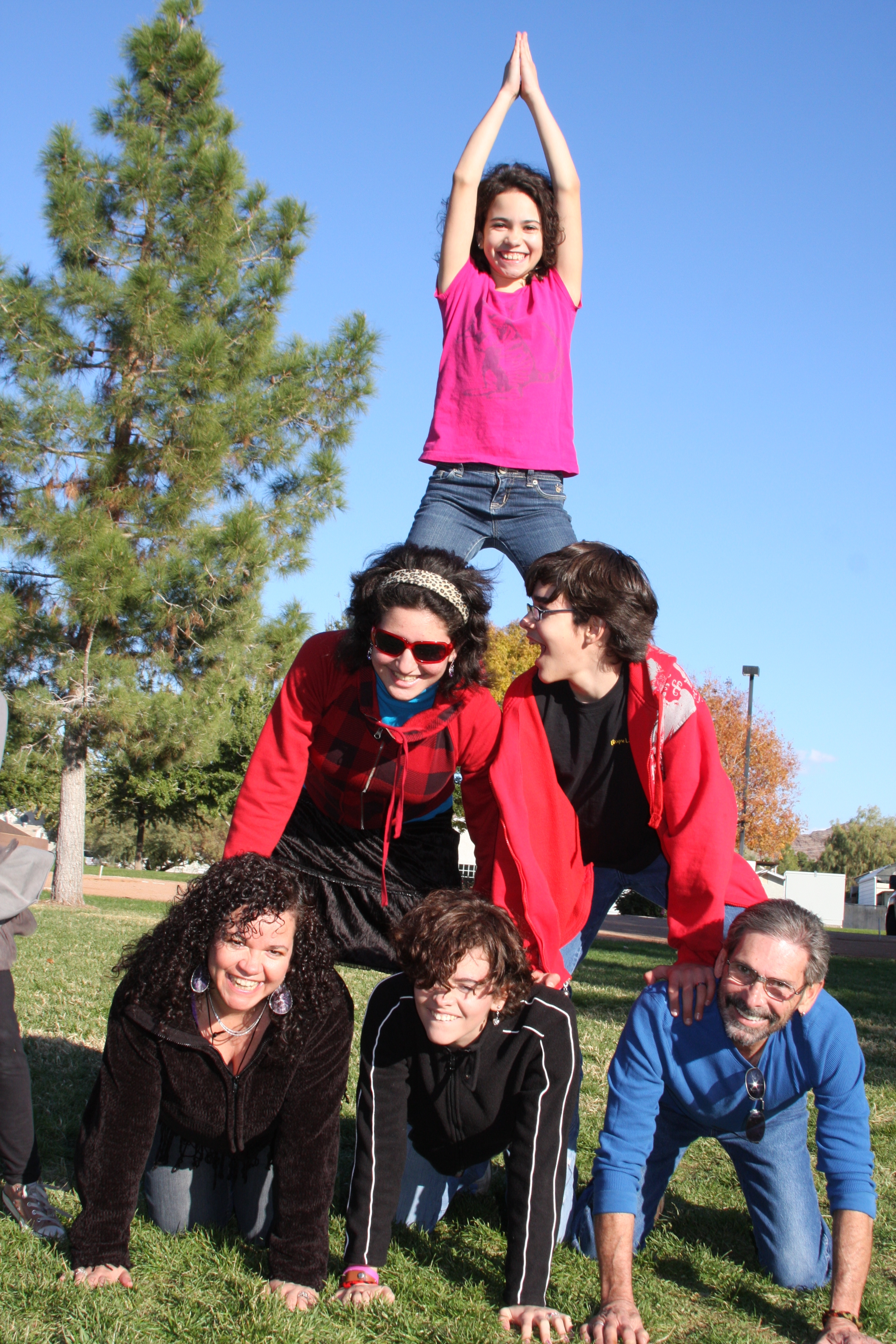
Since I was self-publishing, I had to save up my own money to meet my publishing goals. One night after my kids had received their allowance from their dad, one by one they gave me their allowance and told me that they wish they could help me more. I was dumbfounded and as I’m recalling this right now, I’m getting a little choked up all over again. And so they continued, every time they got money from their dad, they immediately put it in my hand for my book.
I wrote my book for several reasons but the most important ones were: For my own personal healing and closure to my trauma filled past. Secondly, I wrote it in the hopes that others would be helped. Lastly, I wrote AS CLEAR AS CLAIRE GETS, A CONVERSATION WITH THE PAST, as part of the legacy I want to leave my kids and my future ancestors.
I compare the writing and birthing of my book to a type of birthing of a new baby. The pain was there for sure as I revisited some of the most painful memories of my childhood; once I wrote about it though I would feel free. As I continued to bury those things that tormented me in the pages of my book, I was giving birth to a new, more empowered version of myself. The day the UPS truck delivered my first author copy, I liken that to the same profound joy I felt every time after I had labored for a while only to end up holding a beautiful baby in my arms.
I urge you, whoever you are reading this, whatever you dream of doing, don’t put it off anymore. Fight past the nay sayers and the self doubt and take it step by step. Making your dream a reality is the one and only path to your destiny. Go and fear no more because the only thing we really fear, is fear itself. The definition of fear is this: False Evidence Appearing Real. Go make it happen!!

This video doesn’t need any extra explanation. Please watch it and share with the young people in your home. We are in an age where our young people need our guidance and wisdom more than ever before. They are crying out for help. Are you listening?

I have to share this short video on my blog today. I grew up in the home of my uncle who was a doctor. I remember every time anyone was sick in the house, out came the meds. I had bad acne as a kid and he would give me a couple of meds that made the problem worse. I would stop taking the meds because one of them, this big pink pill would give me bad stomach pains and nausea. The other med was a liquid that I was to apply to my acne. When I did it would burn my skin and I’d look like a lobster; then the peeling and the itching that accompanied it was hell. I’d ask myself, ” Why do these pills I’m taking make my face look worse and give me pains in my stomach? I tell you even back then I would question stuff, but I never had the nerve to ask my uncle for fear of insulting him and his calling. The best thing about that is that I learned to listen to my body and I’ve never stopped listening to it since then.

As you watch this video, I hope you begin to wake up to the fact that the US medical establishment is beyond corrupt. I dare you to start asking your doctors hard questions and see what happens. I dare you to equip yourself with knowledge and let your doctor know that you want to take back your health. Please watch this video and pass it along to as many people as you can. Remember: Change starts with one person at a time…change starts with WE THE PEOPLE
Julia’s hands tell a story,
all cut up and bruised-
paint a sad picture of painful loss-
no pain, no gain, no glory.
Julia a young teen,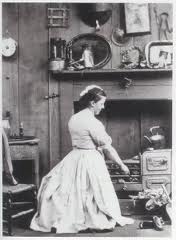
been working those hands
since her mama died at eighteen.
She took over a grown up’s work load
when tragedy hit their lowly abode.
Julia sent away to labor in far away lands.
Her hands never wore any rings.
Not once did she ever paint her nails,
no time for self adornment;
always outside carrying heavily filled pails. 
She looks at girls her age, in sheer wonderment;
pretty dresses, perfumed locks, perfectly painted nails.
Does Julia cry,”Why me? Why me?” ever?
No, this young girl knows that alas,
her lot in life is for now, certainly not forever.

Eva Santiago Copyright 2011
This is the place for me,
this is where I have to be.
What is my life without you in it?
What would I be if you aren’t beside me?
Where would I go?
Look my way God and don’t release me.
Look my way and take away this pain.
Look my way and let me feel,
the very blood for which you were slain.
Look my way, let me know you’re there
look my way, let me know you care.
Look my way, hold my hand
look my way, I wanna run with you on the soft sand.
Look my way, help me feel the joy
my joy in your salvation.
Don’t ever relax your hold on me.
Don’t ever relax your hold on my family.
Don’t ever relax your hold on all the souls here.
Without you I am but a vapor;
here today and gone the next.
So here I am:
I STAND, I STAND!
 Eva Santiago